Latch Selection Guide
How to Select Your LatchLock
Selecting the correct LatchLock industrial latch starts with understanding your application, required tensile strength, material choice, mounting method and locking requirements. Use this practical guide to choose the right light duty, medium duty or heavy duty latch for your panels, machinery or industrial enclosure.
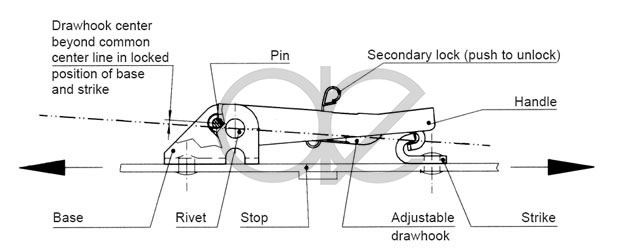
Step 1 Determine the Strength of the Connection
Start by defining how strong the connection between your panels must be. The correct latch series depends on the weight of the panel, vibration, installation environment and how often the latch will be opened and closed.
Light Duty
Best suited for medicine, optical equipment, compact panels and clean applications. Fully concealed solutions can help reduce damage, contamination and exposed mechanical parts.
Medium Duty
Suitable for central heating, cooling systems, machinery panels and technical enclosures where reliable industrial fastening and repeated access are required.
Heavy Duty
Designed for heavy machinery, industrial heating systems, cooling and gas installations, vehicles and robust equipment panels with higher load requirements.
Technical Selection Criteria
Key Questions Before Choosing a LatchLock
A correct latch selection avoids weak closure, unnecessary wear, poor alignment and incorrect material choice. Use the points below to define the correct part number before sending your inquiry.
Step 2
Determine the Required Tensile Strength
Quantify how much force the connection needs to hold. The maximum tensile strength indicates how much force, expressed in Newton, the latch can withstand between the panels. This is one of the most important factors when selecting a light, medium or heavy duty latch.
Maximum force
Define the highest expected force between the panels.
Panel weight
Consider panel size, weight and operating conditions.
Vibration
Use locking options when vibration or movement is present.
Safety margin
Choose a latch that fits the real load and application environment.
Step 3
Choose the Right Steel or Surface Finish
Material choice affects corrosion resistance, appearance and mechanical performance. Choose the steel type based on the installation environment, exposure to moisture, visual requirements and expected forces.
Zinc Plated or Chromed Steel
A strong choice for many industrial applications. Zinc plated or chromed versions can provide a clean appearance and are suitable where standard corrosion protection is sufficient.
Stainless Steel
Recommended when better corrosion resistance is required, such as humid environments, outdoor use, food-related machinery, clean areas or demanding industrial installations.
Step 4
Define the Required Latch Style
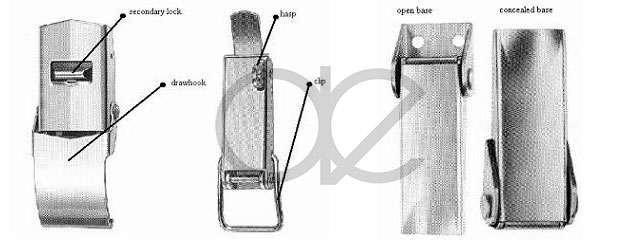
The latch style depends on how the latch will be mounted, whether additional locking is needed, which grip part fits the application and how much space is available around the base.
Fixation
Rivets, screws or welding depending on volume and installation method.
Locking
Secondary lock or HASP for vibration-sensitive applications.
Grip part
Drawhook or clip depending on tolerance and connection design.
Base type
Open or concealed base depending on space and design requirements.
Mounting & Locking Options
Important Details Before Requesting a Quote
The same latch strength can often be combined with different mounting methods, locking options and base types. These details help determine the correct part number and avoid ordering the wrong version.
Rivets, Screws or Welding
Rivets are often used with hole diameters such as 3.5 mm or 4 mm. Screws offer flexible installation and serviceability. Welding can be considered for larger production volumes or permanent mounting.
Secondary Lock or HASP
A secondary lock is recommended when vibration, movement or accidental opening could be an issue. HASP options can be used when additional securing or padlock-style locking is required.
Drawhook or Clip
A drawhook is used for controlled pulling force between panels. A clip-style latch can be useful where bigger tolerances or turnable grip parts are needed.
Concealed or Open Base
A concealed base creates a cleaner design and can protect internal parts. An open base can be easier to inspect, install and access depending on the available space.
Final Checklist
Ready to Select Your LatchLock Part Number?
Once the strength, tensile force, material, latch style and mounting method are known, you can determine the required quantity and send the correct part numbers for quotation.
Inquiry Information
What to Include in Your Inquiry
To receive accurate advice and pricing, include the part numbers, quantity of pieces, required material or finish, application information, VAT number and full contact details.
Part numbers
List the selected latch and strike references.
Quantity
Mention the number of pieces required.
Company details
Include VAT number and full contact details.
Application details
Describe panel type, load, vibration and environment.